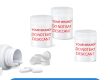
Yes, silica gel desiccant can absolutely be reused. The remarkable property of silica gel is its ability to be “recharged” or regenerated after it has absorbed moisture. This makes it a cost-effective and environmentally friendly solution for moisture control in various applications.
Table of Contents
ToggleUnderstanding Silica Gel’s Adsorption Capabilities
Silica gel is a porous form of silicon dioxide (SiO₂) with an incredibly large surface area – typically between 750–800 m²/g. This vast surface area allows it to adsorb significant amounts of water molecules. In high-humidity environments, silica gel can adsorb up to 37% of its own weight in moisture. However, the typical adsorption rate is around 15% in the first few hours of use. This makes it highly efficient at protecting products from moisture damage, such as mold, rust, and corrosion.
The Regeneration Process: How to Revive Your Silica Gel
The process of regenerating silica gel is relatively simple:
- Heating: The primary method for regenerating silica gel involves heating it. This drives off the adsorbed water molecules.
- Temperature: The ideal temperature for regeneration is around 120°C (248°F).
- Duration: The heating process typically takes 1–2 hours.
- Oven vs. Other Methods: An oven is the most common and effective method. Simply spread the silica gel beads or granules in a thin layer on a baking sheet and heat. Microwave regeneration is also possible, but it requires careful monitoring to prevent overheating. Avoid using a microwave for indicating silica gel, as the dyes may be damaged.
- Cooling and Storage: After heating, allow the silica gel to cool completely before storing it in an airtight container. This prevents it from reabsorbing moisture from the air.
Step-by-Step Guide to Regenerating Silica Gel in an Oven
- Preparation: Preheat your oven to 120°C (248°F).
- Spread the Silica Gel: Place the silica gel beads or granules in a single, even layer on a baking sheet.
- Bake: Put the baking sheet in the preheated oven and bake for 1-2 hours.
- Cooling: Remove the baking sheet from the oven and allow the silica gel to cool completely.
- Storage: Once cooled, store the regenerated silica gel in an airtight container, such as a sealed plastic bag or a container with a tight-fitting lid.
Benefits of Reusing Silica Gel Desiccant
- Cost-Effectiveness: Reusing silica gel significantly reduces the cost associated with moisture control. Instead of constantly replacing desiccant, you can simply regenerate it.
- Environmental Friendliness: Regenerating silica gel reduces waste and minimizes the environmental impact compared to disposable desiccants.
- Extended Product Life: By preventing moisture damage, reused silica gel helps protect valuable items and extend their lifespan.
Types of Silica Gel and Their Regeneration
- Non-Indicating (White) Silica Gel: This type remains white regardless of moisture content. It’s the most straightforward to regenerate, as there are no color changes to monitor.
- Indicating (Color-Changing) Silica Gel: This type contains a moisture-sensitive dye (e.g., cobalt chloride or ammonium tetrachlorocobaltate) that changes color as it absorbs moisture. The color change provides a visual indicator of saturation. While you can regenerate indicating silica gel, be aware that the dye’s effectiveness may diminish over repeated regeneration cycles.
Applications Where Reused Silica Gel Excels
- Electronics Packaging: Protecting sensitive electronic components from moisture during storage and shipping.
- Camera and Lens Storage: Preventing fogging and mold growth in camera equipment.
- Art and Archival Preservation: Maintaining optimal humidity levels for preserving valuable documents and artwork.
- Food Storage: Extending the shelf life of dry foods and preventing spoilage.
- Industrial Applications: Used in compressed air dryers, transformer breathers, and for drying industrial gases.
Handling and Safety Considerations
- Non-Toxic, but Not Edible: Silica gel is non-toxic and poses no health risks if handled properly. However, the packets often contain a “Do Not Eat” warning due to the choking hazard, especially for small children.
- Storage: Always store silica gel in airtight containers to prevent premature saturation and to maintain its effectiveness.
- Handling During Regeneration: Use oven mitts or heat-resistant gloves when handling hot silica gel during the regeneration process.
Conclusion: Embrace the Reusability of Silica Gel
In conclusion, silica gel desiccant is a highly effective and versatile moisture-control solution, and its reusability is a key advantage. By understanding the regeneration process and following the simple steps outlined above, you can maximize the lifespan and effectiveness of your silica gel, saving money, reducing waste, and protecting your valuable items from moisture damage. Consider reusing your silica gel to reap the benefits of this remarkable desiccant.

Explore our solutions and secure your products at iDesiccant.com!
- The Complete Guide To Silica Gel Desiccant - February 20, 2026
- How To Dispose of Desiccant Silica Gel: A Comprehensive Guide - November 25, 2025
- How Long Does Desiccant Silica Gel Last? Best Answer - November 25, 2025