Table of Contents
ToggleSilica Gel Desiccant: Essential Uses, Handling, and Storage Guidelines
Silica gel desiccant keeps moisture out of your stuff so it stays dry and lasts longer. You can use small packets of silica gel to protect electronics, medicine, leather, and food from humidity by absorbing water vapor quickly and reliably. You’ll learn how it works and why it often beats other moisture-control options.
Silica gel comes in different forms and can be reused if you dry it properly, but you should handle it safely and follow disposal rules. Keep reading to find practical tips for choosing the right type and bringing humidity under control without hassle.
Key Takeaways
- Silica gel protects items by absorbing excess moisture.
- Different types fit different uses and many are reusable with heat.
- Follow safety and disposal steps to use silica gel responsibly.
What Is Silica Gel Desiccant?
Silica gel desiccant is a dry, granular form of silicon dioxide used to control moisture. It works by trapping water vapor on its surface and in tiny pores to protect products from humidity damage.
Definition and Basic Properties
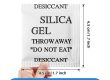
Silica gel is a porous, non-toxic granular material made from silicon dioxide (SiO2). You will often see it as small white or clear beads in packets inside shoeboxes, electronics, and medicine bottles. Its main role as a desiccant is to reduce humidity and prevent mold, corrosion, and degradation of sensitive items.
Key physical traits include high surface area, low chemical reactivity, and thermal stability up to several hundred degrees Celsius. It does not dissolve in water and is safe for most packaging uses, though the beads may be a choking hazard for children. Manufacturers grade silica gel by bead size and pore volume to match different moisture-control needs.
How Silica Gel Absorbs Moisture
Silica gel captures moisture primarily through adsorption, not absorption. Water molecules stick to the internal surfaces of the gel’s pores by physical forces. These pores create a very large total surface area; one gram of silica gel can have hundreds of square meters of surface.
Adsorption happens quickly at lower humidity levels and slows as the gel approaches capacity. You can regenerate silica gel by heating it (typically 100–150°C) to drive off the adsorbed water and restore its drying ability. In packaged products, packets limit dust and keep the beads from scattering while letting air and vapor flow to the gel.
Silicon Dioxide Structure
Silicon dioxide in silica gel forms an open, amorphous network of SiO4 tetrahedra linked by oxygen atoms. This irregular, non-crystalline structure creates a maze of microscopic pores and channels. The pore sizes and volume determine how much moisture the desiccant can hold and how fast it adsorbs water.
Chemical bonds in silicon dioxide are strong, so silica gel remains chemically stable and inert in many environments. The surface often contains silanol (Si–OH) groups that attract water molecules via hydrogen bonding. Those surface sites are the active spots for adsorption and explain why silica gel works well as a desiccant.
Types of Silica Gel Desiccants
You will learn which silica gel types show moisture, how they differ by adsorption rate, and the common physical forms used in packaging and equipment.
Indicating vs Non-Indicating Silica Gel
Indicating silica gel changes color when it absorbs moisture so you can see when it needs replacing or recharging. Typical colors include blue-to-pink and orange-to-green. You can monitor humidity without instruments, which helps in storage, shipping, and lab settings.
Non-indicating silica gel does not change color. It usually costs less and suits uses where you check humidity with sensors or follow fixed replacement schedules. Choose non-indicating packs for sealed electronics or when colorants might contaminate the product.
Note that some indicating gels use cobalt chloride (blue) and may be restricted in certain regions. Newer indicator chemistries avoid that compound and still give a clear visual cue.
Type A and Type B Silica Gel
Type A silica gel has a higher surface area and smaller pore size. It adsorbs water vapor more quickly at low relative humidity, making it ideal for protecting sensitive electronics, dry foods, and pharmaceuticals.
Type B silica gel has larger pores and holds more total moisture at higher relative humidity levels. You use it where you expect higher humidity swings, such as in shipping containers, storage rooms, or industrial packaging.
Manufacturers label gels by pore size and adsorption curve, so check the datasheet. Match the type to your humidity profile: use Type A for fast, low-humidity control and Type B for bulk moisture capacity at higher humidity.
Silica Gel Beads and Granules
Silica gel beads are round, uniform particles that flow well and fill small spaces evenly. They work best in desiccant packets, clear sight tubes, and devices that need predictable airflow through the desiccant bed.
Granules are irregularly shaped and often cheaper per gram. They give a larger surface area contact in packed beds and bulk silos but can channel or compact if not packed correctly. Granules suit large-scale drying where cost and bulk handling matter.
Both beads and granules come as indicating or non-indicating forms. Choose beads for small, sealed items and granules for industrial or bulk drying applications.
Production and Chemical Composition
This section explains what goes into making silica gel, how sodium silicate is used, and why the final product stays stable. You will learn the main raw inputs, key chemical steps, and the features that make silica gel an effective desiccant.
Raw Materials and Synthesis
Most commercial silica gel starts from sodium silicate (water glass) and an acid, usually sulfuric acid or hydrochloric acid. You mix a sodium silicate solution with the acid under controlled temperature and pH to precipitate a hydrated silicon dioxide gel. The gel looks like a wet, jelly-like mass that contains trapped water and counterions such as sodium and sulfate.
After washing to remove soluble salts, you age the gel to strengthen its silica network. Next you cut or form the gel and dry it at 120–200°C to remove most of the pore water. Final drying or activation at higher temperatures (200–300°C) opens the pore structure and yields granular, beaded, or powdered silicon dioxide with high surface area.
Role of Sodium Silicate
Sodium silicate provides the silica source and controls the gel network. Its SiO2 ratio affects gel pore size and acidity. Higher SiO2 content tends to produce a stronger, less soluble gel with finer pores, while more Na2O makes the gel easier to form but requires more washing.
When you add acid to sodium silicate, silicon-oxygen bonds reorganize to create Si–O–Si linkages and release sodium ions into solution. Removing those sodium ions by washing reduces hygroscopic salts that would lower desiccant performance. Manufacturers adjust sodium silicate concentration, acid addition rate, and aging time to tune adsorption capacity and mechanical strength.
Physical and Chemical Stability
Silica gel is mostly silicon dioxide in an amorphous, porous form. Its physical stability comes from a cross-linked Si–O–Si network that resists collapse under normal storage conditions. You will see beads or granules that retain shape and pore structure after drying and cooling.
Chemically, silica gel is inert to most organic solvents and weak acids, but strong bases and hydrofluoric acid attack the silica network. The gel adsorbs water physically in its pores; repeated wetting and drying cycles can slowly reduce surface area if you expose it to high temperatures above typical activation ranges. Proper processing and washing reduce residual sodium salts, which limits deliquescence and preserves desiccant performance.
Moisture Control and Applications
Silica gel desiccant helps you control moisture by adsorbing water vapor and lowering relative humidity. It works in small spaces and large systems to prevent mold, corrosion, and product degradation.
Consumer and Industrial Uses
You can use silica gel packets in shoe boxes, camera bags, and tool chests to keep leather, lenses, and metal parts dry. For storage, place packets near the items, not directly on delicate surfaces, and replace them when they feel saturated or change color if the type is indicator-treated.
In industry, silica gel fills desiccant breather units, packaging liners, and bulk canisters for shipped goods. You should size the desiccant by airflow, enclosure volume, and expected humidity. Regeneration by heating restores capacity for many silica gel types, making it cost-effective for repeated use.
Pharmaceutical and Food Packaging
You must keep medicines and dry foods within strict moisture limits to preserve potency and shelf life. Silica gel in blister packs, bottles, and bulk shipping cartons adsorbs excess moisture and stabilizes product humidity.
Follow regulatory and labeling rules: use food-grade desiccants where required and include a “Do Not Eat” warning. Monitor storage temperature and humidity; combine dehumidification in warehousing with properly sized silica gel for packaged products to meet shelf-life targets.
Electronics and Machinery Protection
You should protect circuit boards, connectors, and mechanical assemblies from condensation and corrosion. Place silica gel inside shipping boxes, instrument cases, and electrical enclosures to reduce dew formation and prevent short circuits.
Choose coarse or bulk silica for large enclosures and packets for small devices. In sealed cabinets, calculate desiccant mass based on internal volume and expected moisture ingress. For rotating machinery or bearings, use desiccant breathers to stop humid air from entering during pressure changes.
Comparison With Other Desiccants
Silica gel trades off capacity, speed, and cost against other common desiccants. You’ll learn how clay, molecular sieves (zeolites), and silica gel differ in water uptake, temperature range, and reuse options.
Clay Desiccants
Clay desiccants (often bentonite) use adsorption to hold moisture on their surface. They work well at moderate humidity and are cheap, so they suit large-scale shipping or bulk storage where cost matters more than maximum drying power.
Clay holds less water per weight than silica gel, so it needs more frequent replacement in tight, high-humidity spaces. It also releases moisture at lower temperatures, so you can regenerate it in a low-temperature oven. Clay is non-toxic and safe for many consumer uses, but it does not protect sensitive electronics as well as silica or zeolites.
Use clay when cost and basic moisture control rank highest. Avoid clay for low-temperature or highly precise humidity control, because its adsorption curves are less steep and less predictable than silica gel or molecular sieves.
Molecular Sieve and Zeolite
Molecular sieves are crystalline zeolites with uniform pores that adsorb water very quickly and at low relative humidity. They outperform silica gel in extreme low-humidity applications and in high-temperature environments up to about 300°C, depending on the type.
Zeolites trap water in tiny pores by adsorption, giving them high capacity and fast kinetics. They regenerate at higher temperatures than silica gel, usually above 200°C, so you need stronger heat for reuse. Zeolites can also adsorb other small polar molecules, which helps in chemical drying but can be a downside if you want selective moisture capture.
Choose molecular sieves when you need very low final humidity, fast drying, or high-temperature operation. Note that they cost more and require hotter regeneration than silica gel.
Selecting the Right Desiccant
Match desiccant choice to your target humidity, temperature, space, and budget. If you need moderate drying at low cost for general packaging, clay fits well. For electronics, pharmaceuticals, or long-term archives, silica gel often balances capacity, safety, and easy regeneration.
Pick molecular sieves when you must reach very low moisture levels or run at high temperatures. Check particle size, form (beads, packets, canisters), and regeneration method before you buy. Also consider adsorption vs. absorption: desiccants like silica and zeolite adsorb water on surfaces, which affects how they perform and how you regenerate them.
Regeneration, Safety, and Environmental Impact
You will learn how to regenerate silica gel, handle it safely, and reduce its environmental footprint. Focus on practical steps: heating for regeneration, avoiding ingestion, and choosing disposal or recycling methods that limit waste.
Regeneration Methods
You can restore silica gel by driving off the adsorbed moisture with heat. For small packets, bake them on a baking sheet in an oven at 120–150°C (250–300°F) for 1–2 hours. For loose beads in a glass or metal tray, use the same temperature range and check every 30 minutes until beads stop changing color (if indicator beads are present).
Use a convection oven or a food-safe toaster oven to keep heat even. Do not use a microwave unless the product label explicitly allows it; some beads or indicators can spark or melt. Let the beads cool in a dry container to avoid re-adsorption. For industrial volumes, use a dedicated desiccant dryer or steam-regeneration systems following manufacturer specs.
Track regeneration cycles because silica gel loses capacity over many cycles. Replace beads when adsorption drops significantly or when structural breakdown (dusting) appears. Store regenerated silica gel in airtight containers with desiccant packs to preserve dryness.
Safety and Toxicity
Silica gel is chemically inert and non-toxic in most formulations, but you must avoid swallowing it. Keep packets away from children and pets. If ingestion occurs, contact poison control; do not induce vomiting unless advised by a medical professional.
Wear simple protective gear when handling loose beads: gloves, safety glasses, and a dust mask if you will generate dust. Avoid breathing fine silica dust; prolonged inhalation of crystalline silica (from ground or degraded gel) can harm lungs. Do not grind beads or create dusty conditions. Keep indicator beads separate if they contain cobalt chloride (a possible carcinogen); choose chloride-free indicators when possible.
If a packet ruptures, sweep up beads gently with a dustpan or vacuum with a HEPA filter. Wash hands after handling. For workplace use, follow material safety data sheets (MSDS) and local occupational safety rules.
Environmental Considerations
Silica gel is not biodegradable, but it is inert and poses low chemical hazard when disposed of properly. Do not dump large quantities in waterways or soil. For small household amounts, seal used packets in plastic and place them in regular trash if local rules allow.
Recycle or reuse silica gel whenever possible. Many industrial users regenerate onsite to avoid waste. Some municipal recycling centers accept silica gel—check local guidance. If indicator beads contain hazardous additives (like cobalt chloride), treat them as hazardous waste and follow local hazardous-waste disposal rules.
Reduce environmental impact by choosing non-toxic indicator types and buying bulk loose beads to cut packaging. Track lifecycle: regenerate until capacity drops, then dispose or recycle according to local regulations to limit landfill volume.
Frequently Asked Questions
Silica gel traps water vapor from air and protects items like electronics, shoes, and documents. It can be dried and reused, but safety and disposal depend on the pack type and any added chemicals.
How does silica gel absorb moisture?
Silica gel is porous and full of tiny holes that hold water molecules. Moisture sticks to the surface inside those pores through adsorption, not absorption.
What are the safe ways to dispose of used silica gel desiccants?
Small, clean non-indicating packs can go in regular trash in most areas. If packs are labeled toxic, contain blue or orange indicating beads, or were used with harmful materials, follow local hazardous-waste rules or take them to a disposal facility.
Can silica gel desiccants be reused, and if so, how?
Yes. Heat packets in an oven at 120–150°C (250–300°F) for 1–2 hours to drive out moisture. Use a metal tray, watch closely, and avoid open flames; follow manufacturer instructions when provided.
Are silica gel desiccants safe to use around food and medications?
Unlabeled or industrial packs may contain chemicals and should not touch food or medicines. Food-grade, labeled silica gel is safe to use near packaged food and is commonly used inside supplement and vitamin bottles.
What is the difference between indicating and non-indicating silica gel?
Indicating silica gel changes color when saturated to show it needs drying again. Non-indicating gel does not change color and requires testing or monitoring to know when it’s spent.
How long does it typically take for silica gel to reach its moisture absorption capacity?
Time varies with humidity, temperature, and pack size. In high humidity, small packets can saturate in a day or two; larger packs or drier conditions can take weeks or months.

Explore our solutions and secure your products at iDesiccant.com!
- The Complete Guide To Silica Gel Desiccant - February 20, 2026
- How To Dispose of Desiccant Silica Gel: A Comprehensive Guide - November 25, 2025
- How Long Does Desiccant Silica Gel Last? Best Answer - November 25, 2025