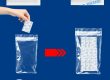
Silica gel desiccant works by adsorbing water vapor from the air, effectively removing moisture and preventing damage to sensitive products. It’s a porous form of silicon dioxide with a high surface area that attracts and holds water molecules.
Table of Contents
ToggleWhat is Silica Gel Desiccant?
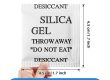
Silica gel desiccant is a remarkable substance, a porous, granular form of silicon dioxide (SiO2). It’s primarily used as a desiccant, meaning it’s designed to absorb and hold water vapor. You’ll often find it in small packets inside various products, from electronics and pharmaceuticals to food and clothing. Its purpose? To keep these items dry and protected from the damaging effects of moisture, such as mold, corrosion, and spoilage.
The Science Behind Adsorption: How Silica Gel Captures Moisture
The core function of silica gel desiccant lies in its ability to adsorb water. This process is different from absorption. Adsorption means that water molecules adhere to the surface of the silica gel, specifically within its intricate network of microscopic pores. It’s a physical process, not a chemical reaction. Because of its high surface area, a single gram of silica gel can have a surface area of over 800 square meters, providing ample space for water molecules to cling to.
Key Properties Contributing to Moisture Adsorption
- Porous Structure: The porous nature of silica gel is critical. These pores create a vast surface area, increasing the sites where water molecules can attach.
- High Surface Area: The extensive surface area allows for maximum contact between the silica gel and water vapor.
- Chemical Inertness: Silica gel is chemically stable and doesn’t react with the water it adsorbs or the materials it protects.
Types of Silica Gel
- Indicating Silica Gel: This type contains a color-changing indicator, often a dye like cobalt chloride (though alternatives are available due to toxicity concerns). As the silica gel adsorbs moisture, the indicator changes color (e.g., from orange to green or blue to pink), signaling when the desiccant is saturated and needs to be replaced or regenerated.
- Non-indicating Silica Gel: This is the standard type and remains white or translucent even when saturated. It’s often used in applications where visual monitoring isn’t critical.
Applications of Silica Gel Desiccant
Silica gel’s versatility makes it valuable across various industries:
- Product Preservation: Protecting packaged goods, electronics, pharmaceuticals, and food from moisture-related damage is a primary application.
- Industrial Applications: Used in transformer breathers, industrial gas drying, water treatment, and compressed air systems.
- Art and Artifact Preservation: Helps maintain the integrity of historical items by controlling humidity levels.
- Catalyst Carrier: Used as a carrier for catalysts due to its surface area and chemical stability.
Regeneration and Reusability
One of the significant advantages of silica gel is its reusability. Once saturated with moisture, it can be “regenerated” by heating it to approximately 120°C (248°F). This process drives off the adsorbed water, restoring its moisture-absorbing capabilities. This makes silica gel a cost-effective and environmentally friendly option.
Safety and Handling Considerations
Silica gel is generally considered non-toxic. However, it’s crucial to keep it away from children, as the packets can be a choking hazard. While the silica gel itself is inert, some indicating types may contain chemicals that are not safe for consumption. Always follow the manufacturer’s instructions and dispose of saturated silica gel responsibly.
Limitations of Silica Gel Desiccant
While highly effective, silica gel does have limitations:
- Moisture Capacity: It can adsorb up to about 15% of its own weight in water vapor within a couple of hours.
- Performance in Extreme Conditions: Its moisture adsorption performance may decrease under extreme humidity or temperature compared to other desiccants.
Conclusion
Silica gel desiccant plays a crucial role in protecting a wide range of products from moisture damage. Its ability to adsorb water vapor, coupled with its reusability and widespread availability, makes it a valuable tool for preserving the quality and longevity of sensitive items. Whether it’s safeguarding electronics, preserving food, or protecting historical artifacts, silica gel offers a reliable and cost-effective solution for humidity control.

Explore our solutions and secure your products at iDesiccant.com!
- The Complete Guide To Silica Gel Desiccant - February 20, 2026
- How To Dispose of Desiccant Silica Gel: A Comprehensive Guide - November 25, 2025
- How Long Does Desiccant Silica Gel Last? Best Answer - November 25, 2025