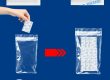
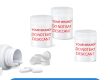
Silica gel desiccant can last for several months to years, depending on factors like the environment and how it’s used. The lifespan of silica gel varies based on the surrounding humidity levels, the volume of the space it’s protecting, and whether it’s the indicating or non-indicating type.
Table of Contents
ToggleUnderstanding Silica Gel Desiccant
Silica gel is a highly effective desiccant, meaning it’s a substance that absorbs moisture from the air. It’s made from silicon dioxide (SiO₂), the same compound found in sand. Its porous structure gives it a massive surface area, allowing it to adsorb up to 40% of its weight in water. This makes it ideal for protecting items from moisture damage.
Composition and Functionality
The primary function of silica gel is to control humidity. It achieves this through a process called adsorption, where water molecules adhere to the surface of the silica gel’s pores. This is different from absorption, where the water would be taken up into the material.
Types of Silica Gel
There are two main types of silica gel:
- Non-indicating (White): This type doesn’t change color when it absorbs moisture. You’ll need to gauge its effectiveness by other means, such as the environment’s relative humidity.
- Indicating (Orange or Blue): This type contains a color-changing dye that signals when the silica gel is saturated. As it absorbs moisture, the color changes, typically from orange to clear or blue to pink, indicating it’s time for regeneration or replacement.
Factors Affecting the Lifespan of Silica Gel
Several factors influence how long silica gel desiccant lasts:
Humidity Levels
The higher the ambient humidity, the faster the silica gel will become saturated. In areas with high humidity, silica gel will absorb moisture more quickly, shortening its effective lifespan. Conversely, in drier environments, it will last longer.
Volume of the Protected Space
The volume of the space the silica gel is protecting is crucial. A small packet of silica gel will quickly become saturated in a large container. You need to use an appropriate amount of desiccant relative to the volume of the space to be protected.
Initial Moisture Content
The initial moisture content of the environment also affects the lifespan. If the environment already contains a high level of moisture, the silica gel will reach its saturation point faster.
Type of Silica Gel
As mentioned earlier, indicating silica gel offers a visual cue of its saturation level. Non-indicating types require more monitoring or periodic replacement based on environmental conditions.
Regeneration and Reusability
One of the significant advantages of silica gel is its reusability. You can regenerate it by heating it to around 120°C (248°F) for 1-2 hours. This drives off the adsorbed moisture, restoring its desiccant properties. This process can be repeated multiple times, extending the lifespan of the silica gel.
The Regeneration Process
- Drying: Place the silica gel in a well-ventilated area or an oven set to the appropriate temperature.
- Heating: Ensure even heating to remove all moisture.
- Cooling: Allow the silica gel to cool completely before using it again.
Note: Always follow safety guidelines when handling silica gel and using heat for regeneration.
Applications and Lifespan in Various Scenarios
The lifespan of silica gel varies depending on its application:
Electronics and Sensitive Equipment
In electronics, silica gel is used to prevent corrosion and malfunction caused by moisture. In this application, it may last for several months to a year, depending on the storage conditions.
Packaging and Shipping
Silica gel is commonly used in packaging to protect goods during shipping and storage. The lifespan in this scenario is often shorter, as the desiccant is exposed to a broader range of humidity levels.
Industrial Applications
In industrial settings, silica gel is used for dehumidifying gases, machinery, and storage containers. The lifespan here can vary greatly, from a few months to several years, depending on the specific application and environmental conditions.
Maximizing the Lifespan of Silica Gel
To get the most out of your silica gel desiccant:
- Choose the correct amount: Use the appropriate amount of desiccant for the volume of the space you’re protecting.
- Store it properly: Store unused silica gel in an airtight container to prevent it from absorbing moisture prematurely.
- Monitor indicating types: If using indicating silica gel, regularly check the color change to assess its saturation level.
- Regenerate when needed: Regenerate the silica gel when it reaches its saturation point to extend its useful life.
- Consider the environment: Be aware of the environmental conditions and adjust your use of silica gel accordingly.
Conclusion
Silica gel desiccant is a valuable tool for moisture control, offering a cost-effective and reusable solution for various applications. While the lifespan of silica gel varies, understanding the factors that affect it and following best practices can help you maximize its effectiveness and protect your valuable items from moisture damage.

Explore our solutions and secure your products at iDesiccant.com!
- The Complete Guide To Silica Gel Desiccant - February 20, 2026
- How To Dispose of Desiccant Silica Gel: A Comprehensive Guide - November 25, 2025
- How Long Does Desiccant Silica Gel Last? Best Answer - November 25, 2025