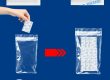
Silica gel desiccant is generally safe to dispose of, but understanding the proper methods ensures both environmental responsibility and personal safety. This guide provides comprehensive information on how to dispose of silica gel desiccant, covering various scenarios and offering practical advice.
Table of Contents
ToggleWhat is Silica Gel Desiccant?
Silica gel desiccant is a form of amorphous silicon dioxide, prized for its ability to absorb moisture. It’s commonly found in packaging for electronics, food, and pharmaceuticals to protect them from humidity-related damage like rust, mold, and degradation. Unlike traditional absorbents, silica gel adsorbs water vapor onto its porous surface, rather than absorbing it into its bulk structure. This allows it to hold a significant amount of moisture – up to 40% of its weight in humid environments.
Types of Silica Gel
There are two main types of silica gel:
- Non-indicating (White): This is the standard type and doesn’t change color when it absorbs moisture.
- Indicating (Colored): This type contains a moisture indicator, often a dye like cobalt chloride (though this is less common now due to toxicity concerns), which changes color (e.g., from blue to pink) when saturated.
Safe Disposal Practices for Non-Indicating Silica Gel
Non-indicating silica gel is generally considered non-toxic and can be disposed of in several ways:
General Household Waste
The most common method is to dispose of it in your regular household trash. Because silica gel is chemically inert, it won’t leach harmful substances into the environment in small quantities.
Considerations
- Quantity: For small amounts (e.g., packets from a new pair of shoes), regular trash disposal is perfectly acceptable.
- Local Regulations: Check your local waste disposal guidelines, as regulations can vary.
Disposal of Indicating Silica Gel
The disposal of indicating silica gel requires more caution due to the potential presence of indicator dyes.
Disposal Methods
- Check the Dye: If the indicating dye is cobalt chloride or another potentially hazardous substance, disposal should be handled with extra care. Contact your local waste management facility for specific instructions. They may require it to be treated as hazardous waste.
- Household Waste (with caution): For indicating silica gel that does not contain hazardous dyes, disposal in regular household waste might be permissible, but it’s best to confirm with your local waste management guidelines.
- Sealed Containers: When disposing of indicating silica gel, it’s prudent to place it in a sealed container or bag to minimize any potential exposure.
Reusing Silica Gel Desiccant
Silica gel is a valuable resource because it can be reused.
Regeneration Process
Silica gel can be regenerated, or dried, to remove the adsorbed moisture and restore its effectiveness. This can be done by:
- Heating: Place the silica gel in an oven at approximately 120°C (248°F) for 1-2 hours.
- Cooling: Allow it to cool completely before reusing.
Important Considerations for Regeneration
- Oven Safety: Use an oven-safe container, and ensure adequate ventilation.
- Indicator Color: If using indicating silica gel, the color will change back to its original state when it’s dry.
- Frequency: Silica gel can be regenerated multiple times, making it a cost-effective and environmentally friendly option.
Environmental Considerations
While silica gel itself is generally safe, responsible disposal is crucial:
- Minimize Waste: Reusing and regenerating silica gel helps reduce waste.
- Proper Packaging Disposal: Dispose of the silica gel packets responsibly, separating them from the gel if necessary.
- Avoid Water Contamination: Do not dispose of silica gel in waterways, as this could potentially introduce trace contaminants.
Summary: Key Takeaways on Silica Gel Desiccant Disposal
Proper disposal of silica gel desiccant is essential for both environmental responsibility and personal safety. Non-indicating silica gel can usually be disposed of in regular household waste, while indicating silica gel requires more careful consideration, especially if it contains hazardous dyes. Reusing and regenerating silica gel are excellent ways to minimize waste. Always consult local regulations for specific guidelines, and prioritize safe practices to protect yourself and the environment.
Further Reading:
- Environmental Protection Agency (EPA) (for information on hazardous waste disposal)
- Your Local Waste Management Authority (for specific guidelines in your area)

Explore our solutions and secure your products at iDesiccant.com!
- The Complete Guide To Silica Gel Desiccant - February 20, 2026
- How To Dispose of Desiccant Silica Gel: A Comprehensive Guide - November 25, 2025
- How Long Does Desiccant Silica Gel Last? Best Answer - November 25, 2025