No, silica gel desiccant itself is generally not harmful to humans. It is non-toxic and non-corrosive, posing minimal health risks. However, there are a few important considerations regarding its use and potential hazards.
Table of Contents
ToggleUnderstanding Silica Gel Desiccant
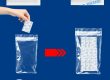
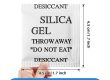
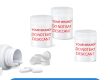
Silica gel is a form of silicon dioxide, a naturally occurring mineral. It’s a highly effective desiccant, meaning it absorbs moisture. This property makes it ideal for protecting products from humidity damage. You often find it in small packets within packaging for items like electronics, pharmaceuticals, and food products.
- Composition: Primarily made from silicon dioxide (SiO2).
- Mechanism: Works through adsorption, attracting and holding water molecules on its porous surface.
- Safety Profile: Generally recognized as safe for most applications.
Potential Hazards of Silica Gel Exposure
While silica gel is not inherently toxic, there are situations where it could pose a risk:
Ingestion
- Choking Hazard: The primary concern is the potential for choking, especially in young children or pets, if they swallow the packets or beads.
- Gastrointestinal Irritation: Ingesting a large amount of silica gel might cause mild stomach upset or constipation due to its absorbent nature.
Inhalation
- Irritation: Inhaling silica gel dust, particularly from damaged packets or during industrial processes, can irritate the respiratory tract.
- Rare Long-Term Effects: Prolonged exposure to very fine crystalline silica dust (not the type found in silica gel desiccant) can lead to silicosis, a serious lung disease. However, the silica gel desiccant used in packets is amorphous silica, which does not pose this risk.
Skin and Eye Contact
- Minor Irritation: Contact with skin or eyes may cause mild irritation. Rinsing with water usually resolves this.
Safety Precautions and Best Practices
To minimize any risks associated with silica gel, follow these guidelines:
- Keep Out of Reach: Store silica gel packets away from children and pets.
- Avoid Damaged Packets: Discard any packets that are torn or leaking.
- Proper Disposal: Dispose of silica gel packets responsibly, following local regulations.
- Avoid Inhalation: When handling silica gel, especially in bulk, avoid creating dust.
- Seek Medical Attention: If ingestion occurs or if any adverse effects are experienced, seek medical advice.
Types of Silica Gel and Their Safety Implications
- Non-Indicating Silica Gel: These are the standard white or translucent beads and pose the lowest risk.
- Indicating Silica Gel: These contain a color-changing dye to show when the desiccant is saturated. The dyes (often cobalt chloride, which can be hazardous) have been phased out, and safer alternatives like methyl violet are used. Always check product information to determine the dye used.
The Bottom Line
Silica gel desiccant is generally safe for its intended use. It’s a valuable tool for protecting products from moisture damage. However, it’s essential to handle it with care, especially around children and pets, and to be aware of the potential for minor irritation or choking hazards. By following safety guidelines, you can use silica gel effectively and safely.
Explore our solutions and secure your products at iDesiccant.com!
- The Complete Guide To Silica Gel Desiccant - February 20, 2026
- How To Dispose of Desiccant Silica Gel: A Comprehensive Guide - November 25, 2025
- How Long Does Desiccant Silica Gel Last? Best Answer - November 25, 2025