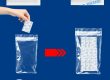
Ingesting silica gel desiccant is generally not life-threatening, but it can cause some unpleasant side effects. Primarily, it poses a choking hazard, especially for children. While silica gel is chemically inert and non-toxic, swallowing it can lead to irritation and digestive discomfort.
Silica gel desiccant is a highly effective drying agent, primarily composed of silicon dioxide (SiO₂). You’ll often find it in small packets within new electronics, medications, food packaging, and other products to absorb moisture and prevent damage. This porous material has a large surface area, allowing it to adsorb water vapor from its surroundings.
Key Properties:
Material: Porous silicon dioxide (SiO₂)
Mechanism: Adsorption (surface) of water molecules
Purpose: To control humidity and prevent moisture damage
Safety: Generally non-toxic but a choking hazard
The Immediate Effects of Ingesting Silica Gel
While silica gel is not poisonous, eating it can lead to several problems:
Choking Hazard: The primary concern, especially for young children, is the risk of choking. The small packets, and even the gel itself, can obstruct the airway.
Irritation: Swallowing silica gel can irritate the throat and digestive tract.
Digestive Discomfort: This can include nausea, vomiting, and abdominal pain.
What to Do If Someone Eats Silica Gel
If you suspect someone has ingested silica gel, here’s what to do:
Assess the Situation: Determine if the person is choking or having difficulty breathing.
Remove the Packet (If Applicable): If a packet was ingested, try to remove it from the mouth if it’s easily accessible. Do not attempt to induce vomiting.
Encourage Drinking Water: Give the person small sips of water to help wash down the silica gel.
Seek Medical Advice: Contact a doctor or poison control center immediately. They can provide guidance and assess the need for further medical attention.
Monitor for Symptoms: Watch for any signs of respiratory distress, severe abdominal pain, or other concerning symptoms.
Long-Term Effects and Risks
Generally, there are no long-term health effects from ingesting silica gel. The body usually passes it through the digestive system without significant harm. However, in rare cases, if a large amount is ingested, it could potentially cause a bowel obstruction.
Types of Silica Gel
There are two main types of silica gel:
Non-indicating silica gel: This is the most common type and appears as clear or white beads. It doesn’t change color when it absorbs moisture.
Indicating silica gel: This type contains a color-changing dye (like orange or blue) that indicates when the desiccant is saturated with water. Be aware that some older indicating gels used cobalt chloride, which is toxic.
Prevention is Key
To prevent accidental ingestion:
Keep silica gel packets out of reach of children.
Teach children not to eat anything they find in packaging.
Dispose of silica gel packets properly.
Conclusion
Ingesting silica gel desiccant is usually not a serious medical emergency, but it’s essential to take it seriously. The primary concern is the choking hazard. If you are worried, seek medical attention immediately. By understanding the risks and taking preventative measures, you can ensure safety.
I am Jody, with 20 years of experience in silica gel desiccant production, I personally author and review all content for iDesiccant. My expertise ensures you receive accurate, reliable information and the highest quality products for your moisture protection needs.
Explore our solutions and secure your products at iDesiccant.com!
I am Jody, with 20 years of experience in silica gel desiccant production, I personally author and review all content for iDesiccant. My expertise ensures you receive accurate, reliable information and the highest quality products for your moisture protection needs. Explore our solutions and secure your products at iDesiccant.com!